Affordable housing supply challenges have been exasperated by high interest rates, insurance shocks and elevated inflation, forcing owners and public agencies to rethink how deals are underwritten and executed. The projects that move forward now tend to share three traits: disciplined capital stacks that lean on LIHTC rather than complexity, partnerships that can survive leadership turnover and property operations that solve risks early.
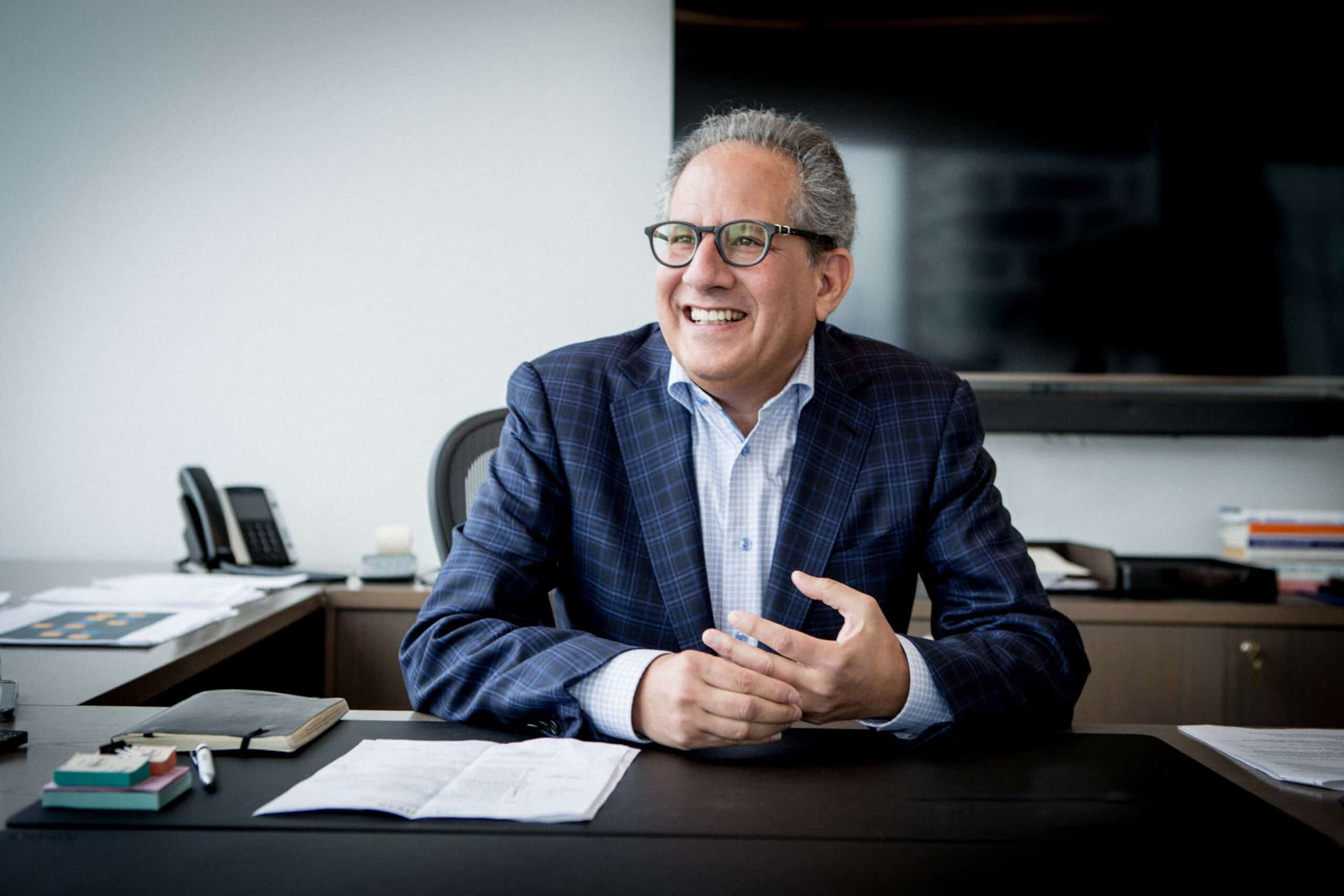
Fairstead’s approach sits squarely in that lane. The company owns and operates affordable housing across 28 states and has a development pipeline that spans roughly a dozen metros. CEO Jeffrey Goldberg argues that progress hinges less on novel structures than on clarity. Markets will cycle and politics will shift, but preservation and recapitalization only scale when execution does, he believes. Here’s what else he told Multi-Housing News in this in-depth interview.

When did affordable housing stop being a vertical and become your personal mission? Was there a moment that made that shift irreversible?
Goldberg: It’s been a natural progression that led me to pursue a career in affordable housing and grow Fairstead. My goal has always been to make an impact and to surround myself with smart, energetic people who care about the work they do. This has naturally lent itself to focusing on the affordable housing market, as you must be both mission-driven and passionate to do this work well.
I began my real estate career investing in rent-regulated apartment buildings in New York City. Later, I co-founded Fairstead to pursue project-based rental assistance deals, recognizing these transactions to expand our reach and deliver meaningful impact. Over time, our strategy remains the same: Invest resources into our communities and improve management to create better outcomes for our residents.
While I wouldn’t call the shift exclusive, it’s certainly foundational. Affordable housing is our primary focus, but we remain open to other transactions where we can add value and drive impact.
You moved from practicing law to running a national platform. How does your legal background still serve you? Were there any habits you had to unlearn?
Goldberg: Practicing law teaches you to pay close attention to detail and to exercise sound judgment—attributes that are essential when you’re managing complex transactions that impact the lives of thousands of residents. Both skills have served me well and guided my approach to decision-making at Fairstead.
One habit I’ve had to consciously adjust is the instinct to overemphasize risk. As a lawyer, you’re trained to identify and guard against every possible risk. But in real estate, especially in affordable housing, you have to balance risk against your ability to execute on proven solutions. It took time and experience to recalibrate that instinct and learn when to lean into a deal rather than overanalyze it. That shift has been key to growing the business and making a real impact.
Think of a deal you nearly walked away from. What risk did you initially overweigh, and how did you reframe it (or not)?
Goldberg: One that stands out is a 300-plus-unit affordable family community with a history of highly publicized security incidents, risks that are hard to capture in a model. We moved forward with the acquisition by focusing less on the headlines and more on our ability to drive change through proactive development and management strategies.
Although progress is rarely linear, careful budgeting, robust community partnerships and strong management ensure solutions for all parties involved.
After the 2022 rate shifts, how did your underwriting change?
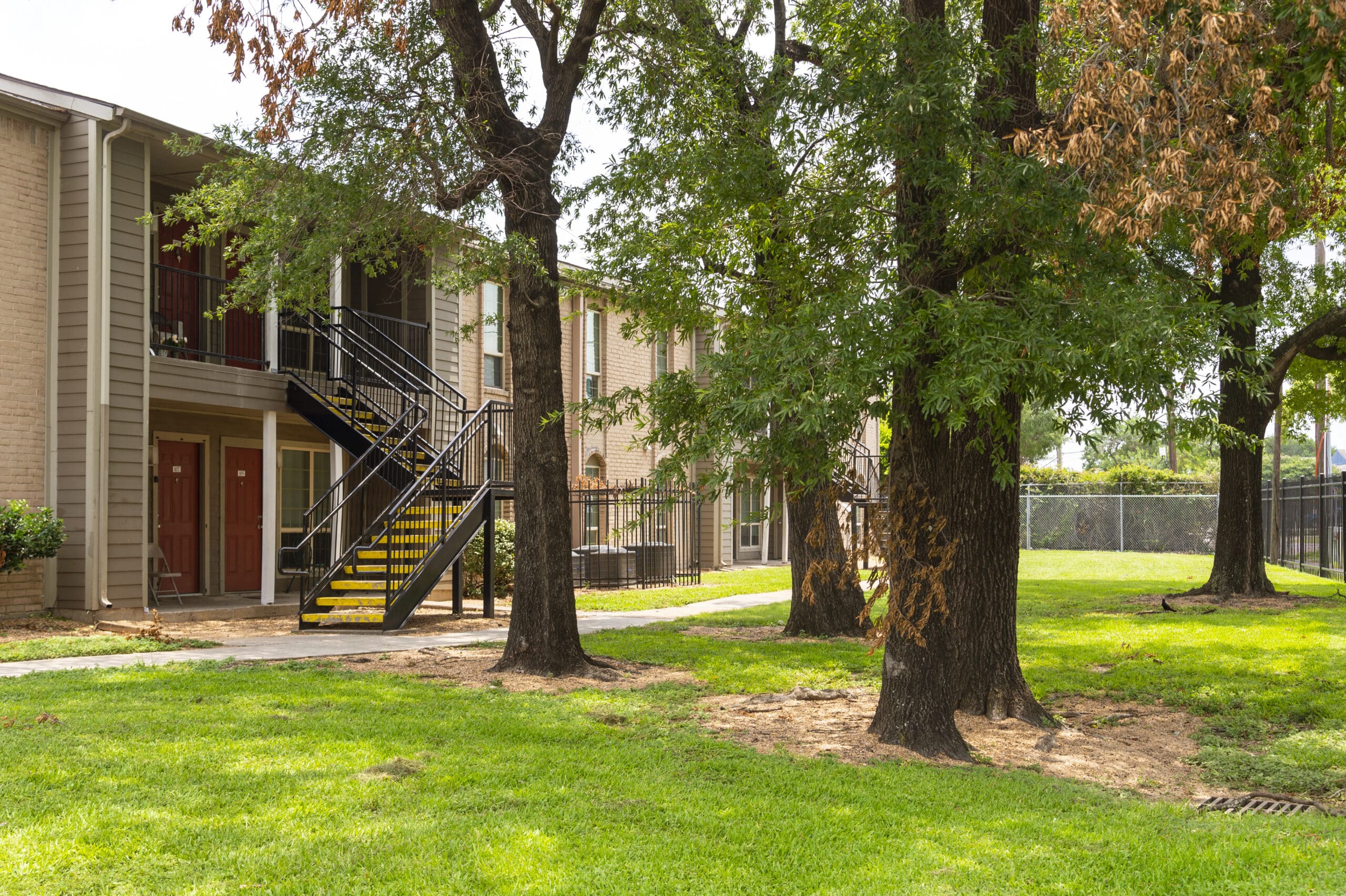
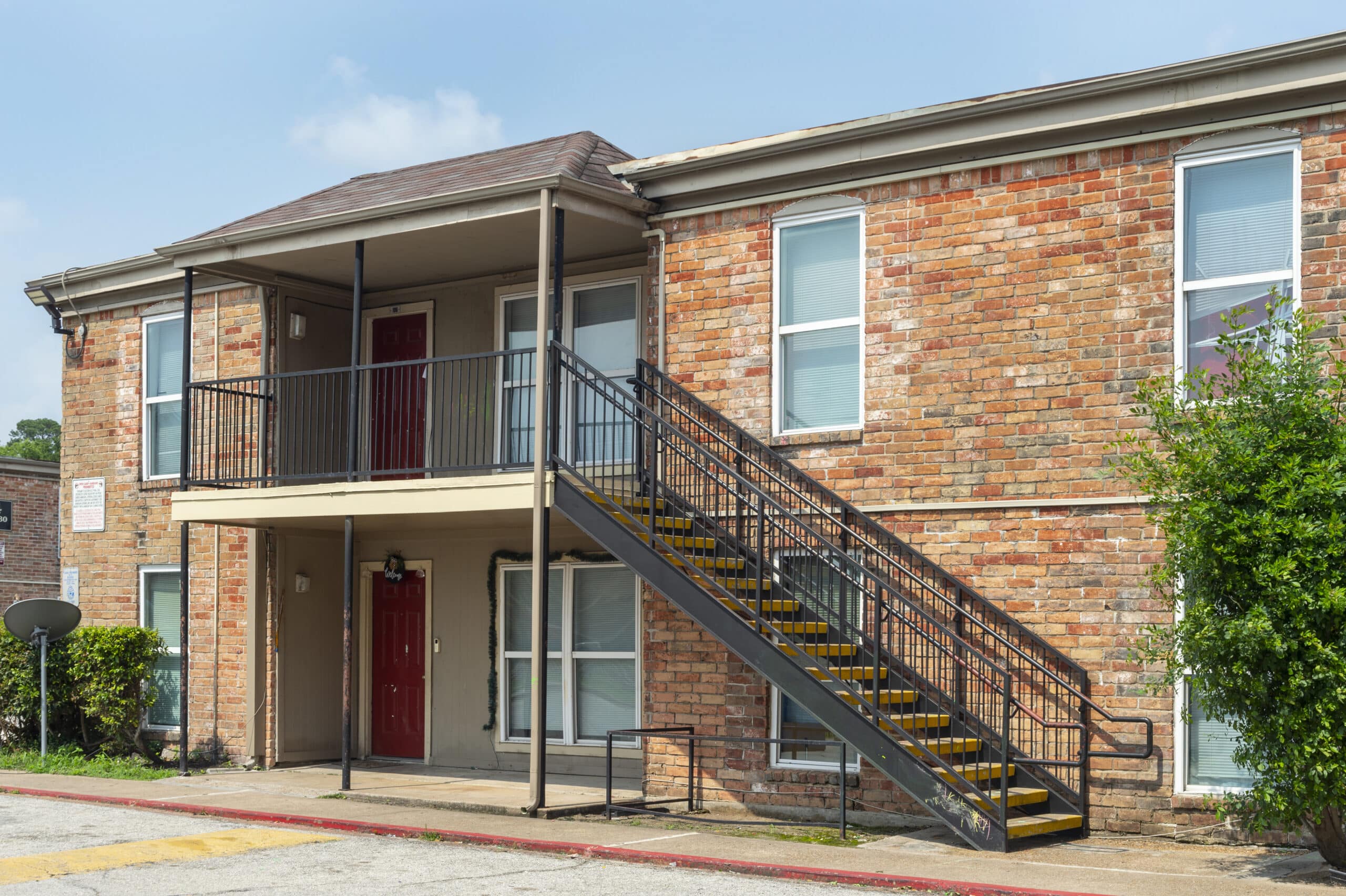
Goldberg: We primarily structure deals that blend LIHTC with PBRA, so our underwriting doesn’t draw a hard distinction between the two. Sunflower Terrace in Houston, for example, is a PBRA-backed LIHTC transaction that follows a similar structure to many of our acquisition-to-rehabilitation transactions.
Following the 2022 rate shifts, we leaned into public housing transactions, which are less rate-sensitive due to lower leverage and subsidy-backed rents. We also prioritized index locking and fast closings to mitigate market volatility. Throughout, we held firm on our underwriting standards, targeting solid debt service coverage ratio and maintaining robust renovation scopes. Preserving capital for meaningful improvements remained essential, all key components of how to maximize ROI in affordable housing.
In terms of capital-stack creativity, what structure has unlocked the most impact lately?
Goldberg: We fundamentally believe that the LIHTC program brings the highest impact to the most residents across the U.S. By maximizing LIHTC programs, we’re often able to increase value without relying on third-party financing.
Public-private partnerships must outlast leadership changes. Which covenant best protects scope and timelines?
Goldberg: A strong business is built on the ability to partner effectively with different stakeholders. In the past decade, public-private partnerships have had to weather a global pandemic, market shifts and political changes. Residents need a partnership that is willing to confront those realities together to ensure the necessary improvements are made.
We do not support termination for convenience in our partnerships. We believe our agreements are designed for long-term resilience and are only successful if all parties are fully committed and aligned with clear expectations. Moreover, we avoid deals where we cannot fully commit or ones that we believe set unrealistic expectations for a community.
In your public-private partnerships, which contract clause most improves outcomes?
Goldberg: Clear communication and expectations are key to a good relationship. What we find is that clarity within contracts, particularly defining core assumptions, is critical to long-term success.
It’s easy to take an approach that certain assumptions can be figured out later, but this puts the viability of the deal and the partnership at risk. We ensure that expectations are set early and unambiguously by including clauses that establish accountability and align with desired outcomes.
What has been the highest “risk avoided per dollar” investment across your portfolio, and what would you replicate first in a new market?
Goldberg: The best investment we’ve made as a company is building an operations and property management company. While we have previously utilized outside management companies, we recognize that our management team is the foundation for mitigating compounding risk factors across our communities.
The scale and strength of our property management company allow us to proactively address risks, decrease insurance costs, standardize compliance-related activities and meet the needs of our residents. Even beyond this, we leverage the on-the-ground insights from our management company to build out other solutions that can lower costs and decrease our risk exposure.
Which U.S. metros became more “solvable” for affordability in 2025, and where did you hit a wall despite good fundamentals?
Goldberg: We’ve found that Houston has emerged as one of our most successful and “‘solvable” markets. We entered the city through one of the most challenging transactions imaginable: a distressed asset in a high-crime, high-need community. But that experience laid a strong foundation of trust between Fairstead and city officials. Thanks to that trust and proven execution, we’ve since been able to scale significantly and are now delivering more than 2,000 additional affordable units in the market.
Florida, on the other hand, has become a difficult market to find appropriately priced acquisitions. Recent legislation, such as Florida’s Live Local Act, has shaped affordability efforts and deal execution in the state. While we do have transactions in the pipeline, market-specific challenges such as misaligned seller expectations, have created obstacles. The drastic drop in asset valuations hasn’t been matched by sellers’ willingness to transact, many remain unwilling to sell, which has significantly slowed deal flow.

Image courtesy of CRE Productions via Fairstead
What change would create the fastest real-world supply of affordable housing?
Goldberg: As practitioners, we have several policy platforms and aspirations on how to unlock new supply. But right now, our primary concern is safeguarding the basics: staffing and departmental resources such as funding for project-based vouchers. Deals can’t get done without experienced and knowledgeable government partners who have the resources they need to execute.
What shows up on your weekly dashboard, and who in the organization can challenge your assumptions without penalty?
Goldberg: My hope is that anyone in the organization feels willing to challenge assumptions and lean into the entrepreneurial spirit. I meet with at least a dozen different team members each week and enjoy the fact that I can get into the weeds on deals while still shaping our overarching company strategy. I seek to foster a culture where our people feel supported and that they are empowered to do their best work.
On any given week, my focus is on ensuring that newly acquired properties or properties that have recently come under our management have the necessary resources to be successful. This is the most time-intensive effort, but when done right, it can really set a community up for long-term success.
Looking ahead, what would make you lean into risk by, for example, accelerating acquisitions or development, and what unresolved issue would keep you derisking?
Goldberg: Investing in affordable housing is a business that is inherently risky by virtue of rehabilitating fully occupied properties that, in many cases, have not seen proper investments in decades. There are more than a million public housing units across the country that need recapitalization and many affordable communities that could be well served by new management.
It would be unnerving to have new risks—such as a lack of stability in funding for the Section 8 program—enter the equation. Historically, Section 8 and other federal housing subsidies have been considered sacrosanct programs with bipartisan support that were not subject to significant political risk. It would be a disservice to residents nationwide for the sanctity of this program to falter.
Conversely, renewed support for existing subsidies—combined with recent LIHTC policy changes—would create powerful tailwinds in preserving affordable housing nationwide.